-
Today
-
Short term
-
Tomorrow Short Term ( next month ) Intermediate Term ( early may ) Long Term Friendships and coworkers and other people i know
-
-

Short term goals (This year) Intermediate Goals (1 – 3)– Build a portfolio with a few projects– Get an internship or junior role Long term:– Work in game development– Release a full game– Maybe start a small studio or team
-
Short term (this month): Midterm (90 days to 3 years): Long term: Completed Projects
-

Designing and Redesigning with Dota 2 Artwork My journey into design and redesign began when I started studying Dota 2 artwork. I was captivated not only by the heroes themselves but also by the environments, items, and visual effects that brought the game to life. Each piece of art had a purpose, whether it was…
-
Repetition and Patience A key part of my artistic journey has been repetition. From a young age, I drew the same cars, board game elements, and later, characters over and over again. At first, it felt tedious, almost monotonous, but I slowly realized that each repetition was a lesson in itself. Every line I traced…
-
Learning Architecture and Landscaping: Discipline Over Excitement From a young age, I have been exposed to architecture and landscaping, sketching buildings, city layouts, gardens, and public spaces. It was something I practiced almost instinctively, blending observation with imagination. Over time, however, the repetition became tedious. I grew bored with drawing houses, streets, and natural layouts,…
-
Observation: The Foundation of Creativity One of the hardest challenges I face as an artist is organizing a picture. I can see fragments of beauty—a car, a character, a pose, a background element—but when I try to combine them, everything falls apart. My drawings sometimes feel like many puzzle pieces combined without a clear plan:…
-
Creativity Through Internalization Eventually, mimicry led to invention. After years of drawing cars, board game elements, and characters, I had internalized the rules, patterns, and structures that made those subjects work visually. I began to notice how proportions, shapes, and composition fit together, and I understood the principles behind why some designs felt balanced and…
-
Feedback and Reflection Eventually, mimicry led to invention. After years of drawing cars, board game elements, and characters, I had internalized the rules, patterns, and structures that made those subjects work visually. I began to notice how proportions, shapes, and composition fit together, and I understood the principles behind why some designs felt balanced and…
-
Why Understanding the Science Behind Creative Disciplines Is Essential Creativity is often viewed as an intuitive, spontaneous process—a flash of inspiration that leads to a painting, a story, or a game. Many people assume that true creativity comes only from instinct, from following the spark of an idea wherever it leads. While inspiration can ignite…
-
The Power and Science of Sound Sound is one of the most powerful tools in art and media, influencing mood, emotion, and perception. Even a single note or subtle background effect can completely change how an audience experiences a scene. From the gentle rustle of leaves in a forest to the ominous rumble before a…
-
Drawing Anime and Cartoon Eyes: A Lifelong Fascination One element that has fascinated me throughout my life is drawing anime and cartoon eyes. Even when I was absorbed in learning cars or board game art, I always found myself returning to eyes—studying, experimenting, and refining. Something about them felt essential, as if they contained the…
-
From Observation to Interpretation: The Bridge to Characters Once I felt confident in mimicking cars and board game elements, I naturally extended my practice to video game, anime, and cartoon characters. There was something about Solid Snake, Sarah Kerrigan, SpongeBob, and Goku that caught my attention and drew me in. I also found joy in…
-
Struggling to Organize a Picture and Find the Story One of the hardest challenges I still face as an artist is not knowing how to organize a picture. I can see fragments of beauty—a car, a character, a pose, a background element—but when I try to combine them, everything falls apart. My drawings sometimes feel…
-
The Struggle with Hands and Guidelines: When Technique Meets Frustration One of the most difficult challenges I faced as a child was drawing hands. Despite my growing confidence in cars, board games, and characters, hands were a constant source of frustration. They are complex, asymmetrical, and full of subtle angles and proportions that change with…
-
Discovering Color: A Late but Transformative Step One of the most significant milestones in my artistic journey came when I finally learned to add color to my work—something that didn’t happen until I was eighteen. Up until that point, my drawings were entirely monochrome: pencil sketches, ink outlines, and grayscale shading. I focused on form,…
-
Not Liking the Feel of Drawing on Paper Even though I’ve been drawing for most of my life, recently I’ve begun to fall out of love with the physical feel of drawing on paper. There’s something about the drag of the pencil, the friction, and the texture that makes me uncomfortable—like the paper resists what…
-
Losing My Sense of Time While Growing Up Lately, I’ve realized that I don’t like the feeling of time anymore. Every minute feels sharp and uncomfortable, as if the clock is pressing against me. Even fifteen seconds can feel like a waste when I’m drawing, like I’ve somehow lost a piece of something I’ll never…
-
Adopting Design When Art Skills Deteriorated There was a period in my creative life when I felt my drawing ability slipping away. My lines stopped flowing, my color choices dulled, and every picture I made felt disconnected—as if I was forcing something that used to come naturally. That loss terrified me. It was a strange…
-
My Early Art Journey Through Early Life Drawings, Board Games, and Characters Art is often described as a journey, and for me, that journey began in childhood—not in a classroom, but with simple fascination, observation, and imitation. From the earliest moments I can remember, I was surrounded by shapes, colors, and movement. My notebooks and…
-
Mimicking cars taught me critical artistic skills. Perspective was one of the first lessons I internalized. I learned how a car looked different from various angles, and how to recreate those angles on paper. I practiced proportion, understanding how the size of wheels, windows, and body panels worked together. I learned to see relationships between…
-
Game Development: The Intersection of Technology and Human Psychology Games are more than entertainment—they are interactive systems built on rules, mechanics, and player behavior. Every decision a player makes, every obstacle they encounter, and every reward they receive is part of a carefully designed system. Understanding these systems requires more than creativity; it requires knowledge…
-
Writing: Structure, Linguistics, and Cognitive Processing Writing may seem purely creative, but it is deeply grounded in cognitive science and linguistics. Every sentence, paragraph, and chapter interacts with the way readers perceive and process information. Understanding these principles allows writers to craft work that communicates ideas clearly and resonates emotionally, rather than leaving readers confused…
-
Cinematics: The Science Behind Visual Storytelling Cinematics are a powerful medium that combine visuals, sound, motion, and narrative to communicate ideas and emotions. While they often feel instinctive, every element of a cinematic sequence is informed by scientific principles. Understanding human perception, visual cognition, and audiovisual psychology allows creators to design scenes that are compelling,…
-
hy I Need to Learn the Science Behind Geology and Astronomy Beyond art and storytelling, I have realized that learning the sciences behind geology and astronomy can profoundly enhance my creative work. Understanding the physical world and the cosmos gives me a foundation for designing environments, landscapes, and worlds that feel real, immersive, and convincing.…
-
My New Way of Learning Art Recently, I’ve started approaching art in a completely new way. Instead of trying to capture every detail of a reference photo or obsessing over perfection in every corner, I focus on emphasizing one section—the part that speaks to me most—and then use guidelines to loosely shape the rest of…
-
Conclusion: The Lasting Impact of Early Mimicry and Struggle Looking back, my childhood art practice—mimicking cars and board game art, and eventually moving on to characters—was far more than simple play. It was a rigorous training ground, teaching me observation, patience, and the importance of iteration. The struggles I faced, especially with drawing hands, mastering…
-
Art: From Human Vision to Material Science Art is more than imagination on a canvas—it is a dialogue between human perception and the physical world. Every line, shape, and color interacts with the way we see and interpret visual information. Understanding this interaction is essential for creating work that communicates effectively and evokes the intended…
-

I created rules for my world. This world has physics surrounding a world where the moon governs everything magical
-

Preface The following document contains my first and final drafts for a set of speculative ideas centered on outer space, specifically through the lenses of DOTA and StarCraft, the two games I am most invested in creatively at this time. Space is the primary domain of interest guiding these ideas. While I also value English…
-
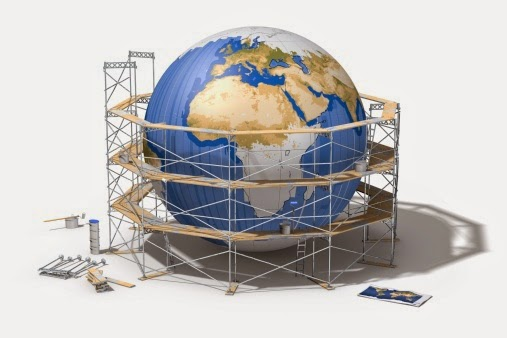
This was created applying a background image as a backdrop and attaching another page in the Iframe command.

Category: Symposium